They went down in the dark.We go down to find them.
Nova Scotia’s coastline has claimed more ships than most people know to ask about. Shipwreck Hunter documents them — with real dive coordinates, real archival research, and the stories that court records and harbour logs have kept quiet for a century or more.
Most of them were never found. Some of them still aren't.
The North Atlantic is not a forgiving body of water. It has been taking ships since people first put ships on it — in fog, in gales, on reefs that don’t appear on any chart until the moment the hull touches one. Most of those losses were recorded in a ledger somewhere, mourned, and forgotten.
Shipwreck Hunter exists because forgotten isn’t the same as gone.
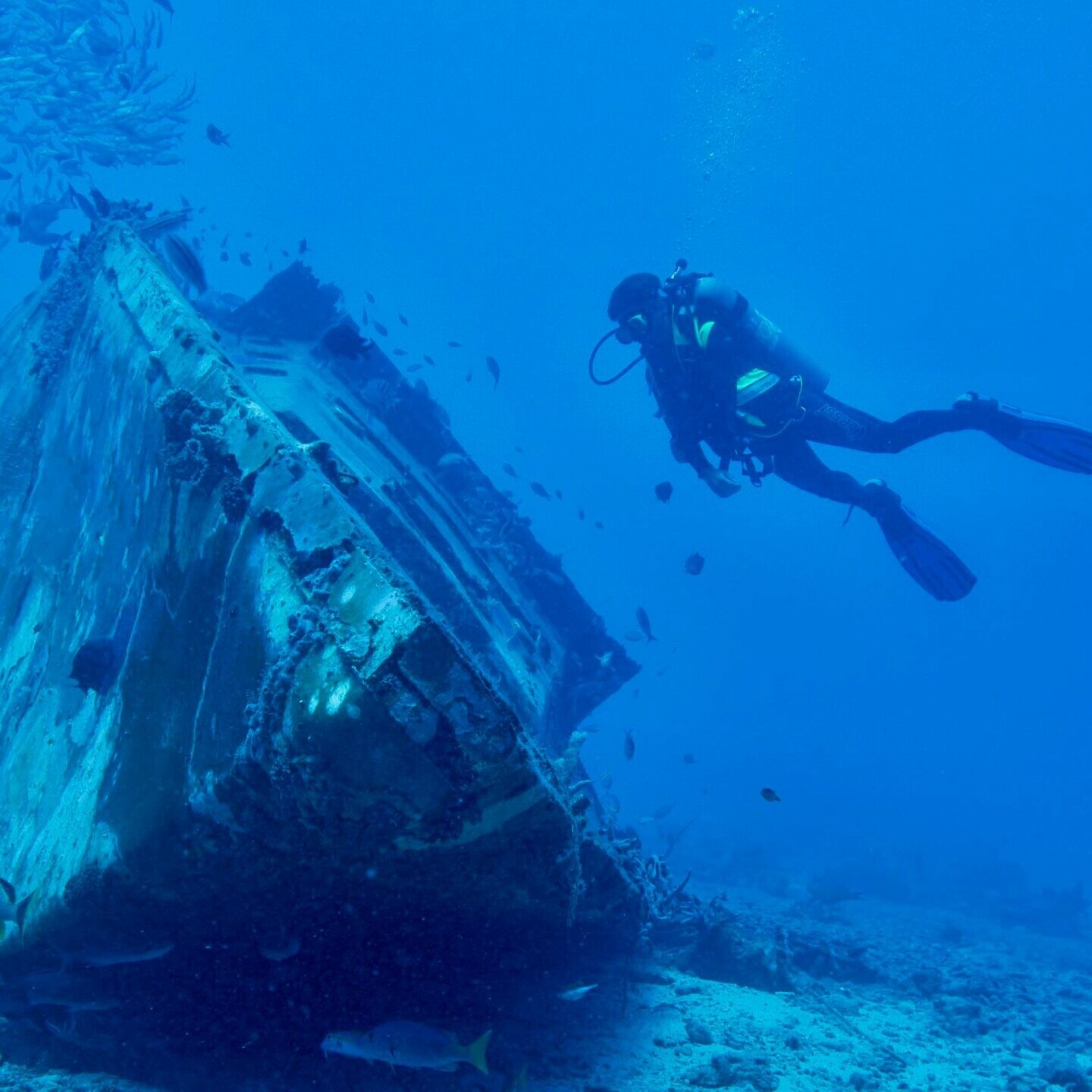
We combine archival research — court records, insurance files, newspaper accounts, harbour master’s logs — with modern sonar survey and cold-water diving to document the wrecks that Nova Scotia’s coastline is still holding. Every vessel we find gets a proper write-up: how it was built, where it sailed, what happened in its final hours, and what you’ll find when you go down to see it yourself.
This is not a catalogue. It’s a record. There’s a difference.
The Write-Ups
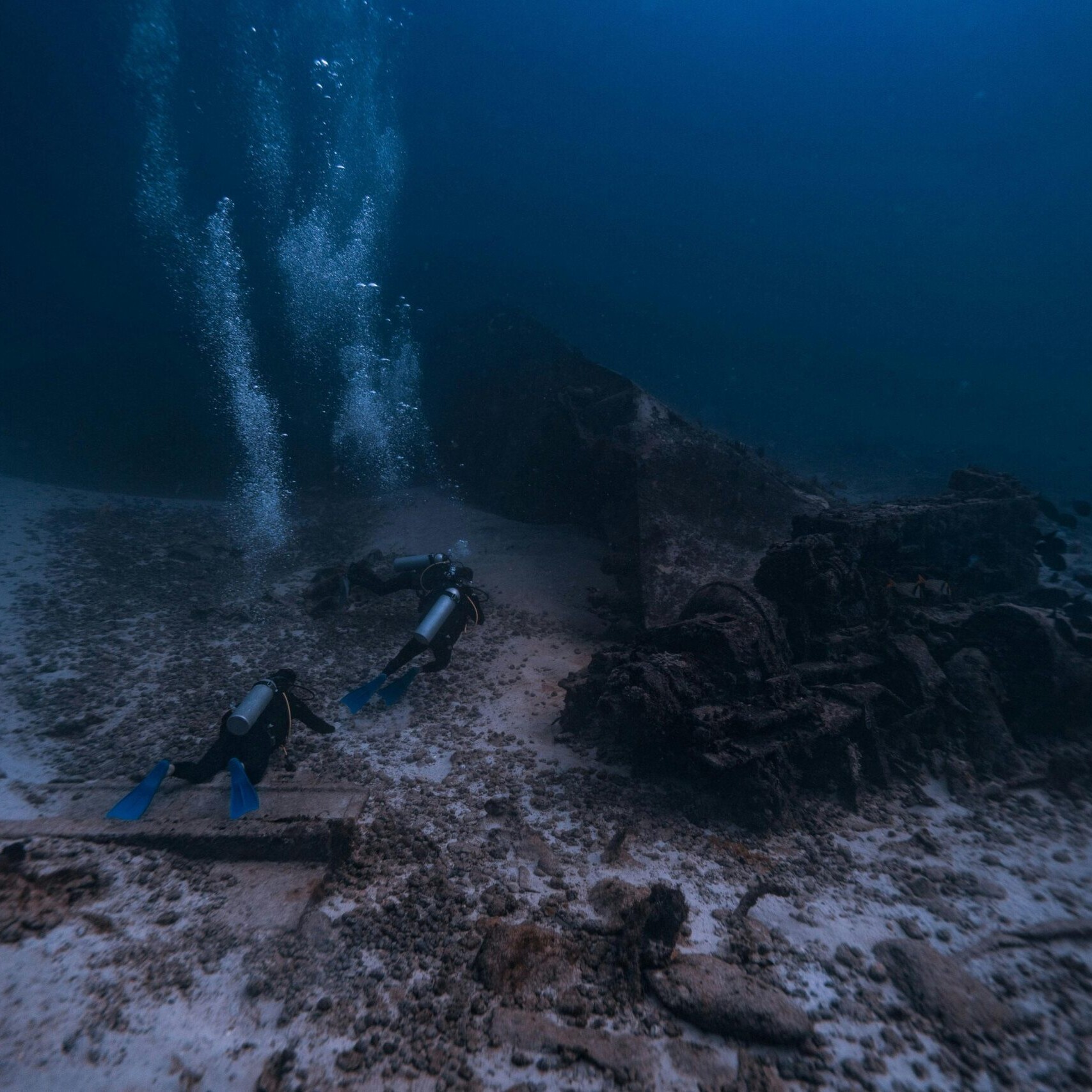
Every wreck profile on this site is the result of months of work — sometimes years. Archival research first, then sonar survey, then dives, then the process of matching what the water shows you to what the documents say. The coordinates are in there. So is everything that led to them.
The Research Library
Maritime history lives in specific books, and not all of them are easy to find. We’ve assembled a reference shelf of the essential texts for researching Nova Scotia and Atlantic Canada’s wrecks — searchable by vessel name or location, so you can find exactly what you’re looking for.
The Community
Shipwreck research has always moved faster when people share what they know. If you’ve been down to a wreck, found something in an archive, or grew up near the water with a story to tell — we want to hear from you.